
- All
- Product Name
- Product Keyword
- Product Model
- Product Summary
- Product Description
- Multi Field Search
Views: 2 Author: Site Editor Publish Time: 2026-04-09 Origin: Site


Are you choosing the right x-ray scanner machine for your facility? Many systems fail because they don’t match real needs. In this article, you will learn how to select the best option based on usage, performance, and safety.
Choosing the right x-ray scanner machine starts with understanding what your facility actually deals with every day. Many buyers focus too early on technical specs, but in real scenarios, usage defines everything. When you align the machine with your inspection tasks, traffic patterns, and operational goals, the selection becomes much clearer and more practical.
Before comparing models, ask a simple question: what exactly will go through the machine? This step shapes your entire decision.
Small items like hand luggage or parcels usually require compact systems. These machines are easier to install, consume less space, and are ideal for offices, schools, or building entrances. They focus on clarity and precision rather than heavy-duty penetration.
Medium-sized luggage or express packages demand a balance. The x-ray scanner machine must handle varying shapes, moderate density, and continuous flow. Facilities like metro stations or logistics hubs often fall into this category.
Large cargo, pallets, or industrial goods require bigger tunnel sizes and stronger penetration power. These machines are built for volume, weight, and complexity, especially in freight or warehouse environments.
To make this clearer, here’s how item type influences machine selection:
| Inspection Item Type | Typical Size Range | Recommended Machine Type | Key Focus |
|---|---|---|---|
| Hand luggage / backpacks | Small | Compact x-ray scanner machine | Image clarity, compact design |
| Parcels / express packages | Medium | Standard baggage scanner | Throughput, versatility |
| Cargo / pallets | Large | Large tunnel scanner | Penetration, load capacity |
| Industrial products | Varies | Customized x-ray system | Precision, application-specific |
After identifying what you scan, the next step is understanding how much you scan. Volume directly affects performance expectations.
Low-traffic environments such as office buildings or small facilities typically process items at a steady pace. In these cases, reliability and ease of use matter more than speed. A compact x-ray scanner machine works well here.
Moderate traffic locations like public venues or mid-sized logistics centers need consistent throughput. The machine must balance speed and accuracy without overwhelming operators.
High-throughput environments such as airports or large transportation hubs require fast conveyor speeds and continuous operation. Delays here can quickly turn into long queues and operational issues.
When traffic increases, the pressure on the machine grows. A slow system creates bottlenecks. Operators feel rushed. Mistakes become more likely. That’s why conveyor speed and system stability are critical factors when selecting an x-ray scanner machine.
Eastimage highlights parameters like conveyor speed and channel size as key selection factors. That aligns well with real operational needs. It shows that performance is not just about detection—it’s about keeping your workflow smooth under pressure.
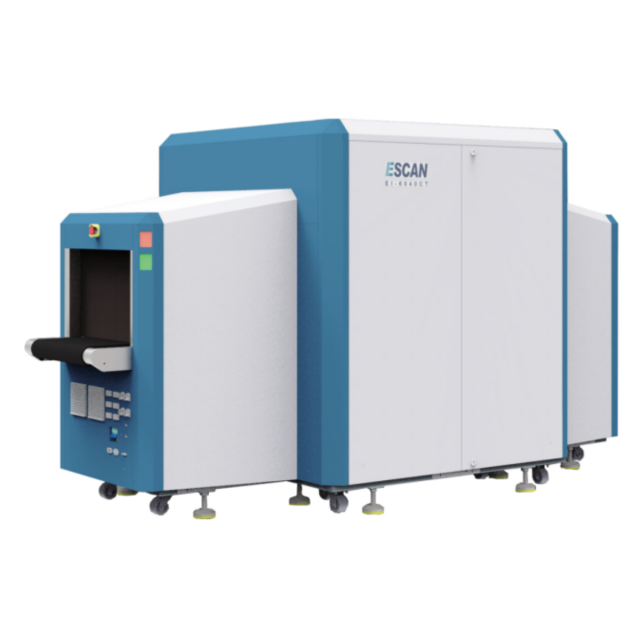
When we move beyond basic needs, the real decision comes down to technical details. A good x-ray scanner machine is not just about scanning—it’s about how efficiently, clearly, and reliably it performs every day. If the technical setup doesn’t match your environment, even a high-end system can underperform.
Tunnel size, often called channel size, directly controls what your x-ray scanner machine can handle. If your items don’t fit comfortably, operations slow down immediately. On the other hand, choosing an oversized machine increases costs and wastes space.
Tunnel dimensions must match real inspection objects
Many buyers estimate instead of measuring. This creates issues later. You should always consider the largest item you expect, not the average one. It helps avoid daily operational friction.
Load capacity matters more than people expect
Heavier items like cargo or industrial products need stronger conveyor systems. If the load limit is too low, it affects machine lifespan and stability.
Common mistakes to avoid
Choosing based only on standard luggage size
Ignoring irregular or oversized items
Overestimating future needs without actual demand
Here is a practical reference:
| Tunnel Size Type | Suitable Items | Facility Type | Key Benefit |
|---|---|---|---|
| Small tunnel | Bags, backpacks | Offices, schools | Compact, easy installation |
| Medium tunnel | Parcels, luggage | Stations, venues | Balanced usage |
| Large tunnel | Cargo, pallets | Logistics, airports | High capacity and penetration |
Image quality is not just a feature—it defines how well operators can do their job. If images are unclear, decisions slow down. Errors become more likely.
Modern x-ray scanner machines rely on multi-energy imaging. It helps separate materials visually. Instead of guessing, operators can identify objects faster.
Material differentiation improves clarity
Organic materials often appear in one color. Metals appear in another. This color coding makes interpretation faster and more consistent.
High resolution reduces uncertainty
Clear images show edges, density differences, and hidden structures. Operators don’t need to rely on assumptions.
Advanced image tools support better decisions
Functions like zoom, enhancement, and contrast adjustment allow operators to inspect suspicious areas more closely.
Here’s a simplified view of how materials appear:
| Material Type | Typical Color Display | Example Items | Detection Advantage |
|---|---|---|---|
| Organic | Orange | Food, plastics | Easy identification |
| Inorganic | Green | Ceramics, glass | Moderate clarity |
| Metal | Blue | Tools, electronics | Strong visibility |
Penetration power determines how well an x-ray scanner machine can see through dense or layered objects. It’s critical in environments where items are complex or tightly packed.
What penetration really means
It refers to how deeply x-rays can pass through materials. Higher penetration allows better inspection of dense items like metal-packed luggage or cargo.
Why it matters in real scenarios
In logistics or airport settings, items are often stacked or overlapping. Weak penetration leads to blind spots. Strong penetration improves visibility.
Balancing penetration and image detail
Too much penetration can reduce contrast. Too little penetration hides internal structures. A good system balances both.
In practice, facilities handling simple items may not need maximum penetration. However, high-security environments often require stronger detection capability. Eastimage offers solutions ranging from standard systems to more advanced inspection technologies, allowing users to choose based on actual risk levels.
Speed affects everything. It controls how smoothly your facility operates. If the conveyor is too slow, queues build quickly. If it’s too fast, operators may miss details.
Throughput defines operational efficiency
A faster x-ray scanner machine processes more items per hour. This is essential in high-traffic locations.
Matching speed to real demand is critical
Not every facility needs maximum speed. Smaller locations benefit more from stability than raw performance.
Accuracy vs speed trade-off
Faster scanning can reduce inspection time. However, operators need enough time to analyze images properly.
Consider this comparison:
| Conveyor Speed Level | Suitable Environment | Operational Impact | Risk Level |
|---|---|---|---|
| Low speed | Offices, small checkpoints | Stable, controlled flow | Low |
| Medium speed | Public venues | Balanced performance | Moderate |
| High speed | Airports, logistics hubs | High efficiency, fast processing | Higher if mismanaged |
Not all x-ray scanner machines are built for the same purpose. Facilities vary. So do inspection needs. Some focus on small personal items. Others deal with dense cargo or complex industrial products. When we compare different machine types, we begin to see how each one fits a specific workflow. Choosing correctly means fewer compromises later.
Hand baggage x-ray scanner machines are often the first choice for controlled environments. They work best in places where space is limited and item size remains consistent. You will often see them in offices, schools, government buildings, and small checkpoints.
Compact design supports flexible installation
These machines take up less space. They fit into tight entry points or reception areas. It makes them practical for facilities where layout matters.
Optimized for small and medium items
They handle handbags, backpacks, and small parcels easily. The focus stays on image clarity and quick inspection rather than heavy-duty scanning.
Typical real-world usage scenarios
Office building security screening
School or campus entry control
Small event or venue checkpoints
In many cases, these systems provide enough capability for daily operations. Eastimage offers compact models designed for stable performance and easy deployment. It helps facilities maintain security without over-investing in unnecessary capacity.
When facilities deal with larger volumes or heavier items, standard baggage systems are no longer enough. This is where luggage and cargo x-ray scanner machines become essential.
Built for higher capacity and larger items
These machines feature wider tunnels and stronger conveyors. They handle suitcases, freight packages, and irregular shapes without slowing down operations.
Designed for continuous flow environments
Airports, logistics centers, and transportation hubs rely on these systems. They must process items quickly while maintaining inspection accuracy.
Adaptable to complex inspection scenarios
Items may overlap or vary in density. The machine must still provide clear images for operators.
Here’s how these machines compare in practical use:
| Feature Area | Standard Baggage Scanner | Cargo Scanner Machine |
|---|---|---|
| Tunnel size | Medium | Large |
| Item type | Luggage, parcels | Freight, pallets |
| Throughput | Moderate | High |
| Inspection focus | Versatility | Capacity and penetration |
As security demands increase, traditional 2D imaging may not always be enough. This is where CT-based x-ray scanner machines come into play. They bring a different level of inspection capability.
2D vs 3D imaging difference
Standard systems produce flat images. CT systems generate 3D views. Operators can examine objects layer by layer instead of relying on a single perspective.
Improved detection accuracy
These machines can automatically identify suspicious materials. They reduce reliance on manual interpretation. This helps in high-risk environments.
When facilities should consider CT systems
High-security checkpoints
Airports handling complex luggage
Locations requiring advanced threat detection
Not every facility fits into a standard category. Manufacturing and specialized industries often require tailored solutions. Industrial x-ray scanner machines address these needs.
Used beyond traditional security screening
These systems inspect products during production. They detect defects, verify internal structure, or ensure quality standards.
Customization based on application
Each industry has different requirements. Some need higher resolution. Others need specific conveyor designs or integration features.
Integration into production workflows
These machines can connect directly to assembly lines. They operate continuously without interrupting production.
When selecting an x-ray scanner machine, safety is not something you check at the end. It should be part of the decision from the beginning. Every facility operates under different regulations, but the expectation is always the same. The system must run safely during daily use. It should not expose operators or nearby people to unnecessary risk.
Radiation control depends on proper shielding, stable system design, and consistent performance over time. A well-designed machine keeps leakage at a controlled level and follows recognized safety standards. Buyers should pay attention to how the system is tested, how it performs under continuous use, and whether it aligns with local compliance requirements. It is also important to understand how safety features work in real situations, not just in specifications.
A powerful system means little if operators struggle to use it. The software interface plays a central role in how effective the x-ray scanner machine becomes during real operations. When the interface is clear, operators make faster decisions. When it feels confusing, mistakes become more likely.
Ease of use begins with intuitive controls. Operators should quickly understand how to adjust images, zoom into suspicious areas, and switch between viewing modes. Training becomes more efficient when the system follows logical steps. Over time, this reduces fatigue and improves consistency.
Image processing tools also influence performance. Features such as enhancement, filtering, and material differentiation help operators interpret results with more confidence. When these tools respond quickly and clearly, they support better decision-making under pressure. Automation can also assist by highlighting potential risks, allowing operators to focus on verification instead of searching manually.
The purchase of an x-ray scanner machine is only the beginning. Long-term performance depends on how well the system is installed, maintained, and supported. Without proper setup, even a high-quality machine may not perform as expected.
Installation starts with understanding the facility layout. Space, power supply, and workflow positioning all affect how smoothly the system integrates into daily operations. If the machine is placed incorrectly, it can slow down processes or create unnecessary congestion.
Maintenance plays a key role in reliability. Over time, components experience wear. Regular checks help prevent unexpected downtime. Facilities should understand maintenance cycles and what kind of support is available when issues arise. A system that is easy to maintain reduces operational interruptions.
Choosing the right x-ray scanner machine depends on item size, traffic level, and required detection accuracy. Matching these factors improves efficiency and safety in daily operations. Eastimage offers flexible solutions, advanced imaging, and reliable support, helping facilities achieve stable performance and long-term value.
A: An x-ray scanner machine inspects items to detect hidden objects in security or industrial settings.
A: Choose an x-ray scanner machine based on item size, traffic flow, and required detection level.
A: High image quality helps operators identify materials quickly using an x-ray scanner machine.
A: The cost of an x-ray scanner machine depends on size, features, and inspection capacity.
A: Tunnel size, speed, and image clarity all affect x-ray scanner machine performance.