- All
- Product Name
- Product Keyword
- Product Model
- Product Summary
- Product Description
- Multi Field Search
Views: 0 Author: Site Editor Publish Time: 2026-09-29 Origin: Site


Security screening protocols often create severe operational friction when they clash with high-volume mailroom logistics. Facility managers frequently face a critical dilemma: installing a machine that cannot keep up with daily deliveries, or over-allocating space for equipment that exceeds actual site requirements. Misjudging scanner dimensions introduces significant operational risks. Undersizing leads to immediate manual inspection bottlenecks, unmanageable package backlogs, and severe security vulnerabilities as staff rush to clear the loading dock. Conversely, oversizing results in wasted floor space, diminished image resolution on small letters, and unnecessary infrastructure modifications. Selecting a mailroom x ray scanner requires a strictly data-driven approach. Facility operators must align daily package volume, precise parcel dimensions, spatial constraints, specific threat profiles, and required throughput rates. A properly sized tunnel ensures that security teams can intercept potential threats without delaying internal distribution networks.
Dimensional Baseline: The standard 60x40 cm tunnel size accommodates approximately 80-90% of typical corporate mailroom deliveries, but edge cases dictate final procurement.
Throughput vs. Volume: Daily package volume is less critical than peak-hour delivery surges; scanners must be sized to clear peak bottlenecks without delaying internal distribution.
Physics of Detection: Larger tunnels can impact the resolution of small, flat letters due to generator-to-detector distance, requiring a balance between freight capacity and letter-scanning clarity.
Facility Constraints: Larger tunnel sizes require exponential increases in floor space, specialized power supplies, and reinforced floor loading capacities.
Table of Contents
A successful screening deployment hinges on specific operational metrics. You want zero package backlog during peak delivery windows. You need absolute screening compliance. You also want a drastic reduction in manual interventions. The physical dimensions of the screening equipment directly dictate whether a facility can meet these success criteria. When the hardware matches the incoming freight profile, operators maintain a continuous flow of cleared items. When a mismatch occurs, the entire logistics chain suffers immediate delays.
The core architecture of any screening system revolves around the tunnel width and height. These two measurements establish the absolute maximum object size that can pass through the lead curtains. However, the tunnel dimensions must work in tandem with the conveyor belt load capacity. A large tunnel is useless if the internal conveyor motor cannot support the weight of heavy freight. Operators must evaluate both the volumetric capacity of the tunnel and the structural weight limit of the belt.
Tunnel Category | Typical Dimensions (W x H) | Max Weight Capacity | Primary Parcel Types |
|---|---|---|---|
Small | 50 x 30 cm | 150 kg | Letters, padded envelopes, small courier satchels |
Medium | 60 x 40 cm | 160 - 200 kg | Standard corrugated boxes, backpacks, laptops |
Large | 100 x 100 cm | 200+ kg | Palletized goods, oversized crates, heavy equipment |
Tunnel dimensions directly influence the types of threats a security team can effectively intercept. Small tunnels are highly optimized for detecting powders, razor blades, and micro-contraband hidden inside flat letters or small satchels. The proximity of the generator to the detector arrays in smaller machines provides exceptional clarity for low-density items.
Large tunnels are necessary for identifying improvised explosive devices (IEDs), weapons, or large-scale contraband concealed within dense freight or oversized shipping crates. Matching the tunnel size to the specific threat profile of the facility ensures that operators have the necessary imaging tools to identify relevant anomalies. If your facility primarily receives letters, a massive tunnel will degrade the image quality of those thin items.
Deploying a tunnel that is too small forces security personnel into frequent manual searches. Every oversized box that cannot fit through the machine requires physical opening. This breaks the chain of custody. It slows down processing times. It exposes staff to potential hazards.
Deploying a tunnel that is excessively large introduces different complications. Oversized machines consume valuable real estate. They increase operator cognitive fatigue due to larger image display areas. They often suffer from diminished detection resolution when scanning very small, flat items. Finding the exact middle ground is paramount for sustained operational success.
Understanding the standard categories of screening equipment helps facility managers narrow down their procurement options based on actual site requirements.
Small scanners are designed for compact environments handling mainly letters, small parcels, and soft mail items. They provide excellent image clarity and require minimal installation space, but they cannot accommodate standard shipping boxes or oversized packages.
Medium scanners are the most common choice for corporate and public facilities. They provide a strong balance between footprint and capability, handling everyday parcels, backpacks, laptops, and courier deliveries while maintaining reliable dual-energy image quality.
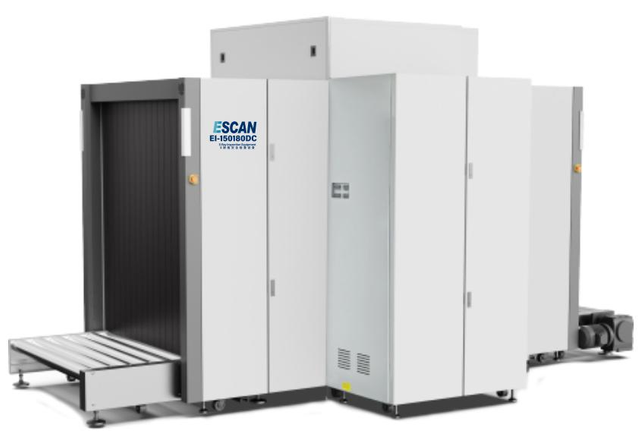
Large scanners are built for heavy-duty applications such as logistics centers and warehouse receiving areas. They support oversized and high-weight items but require more space, stronger infrastructure, higher-power systems, and specialized operator training.
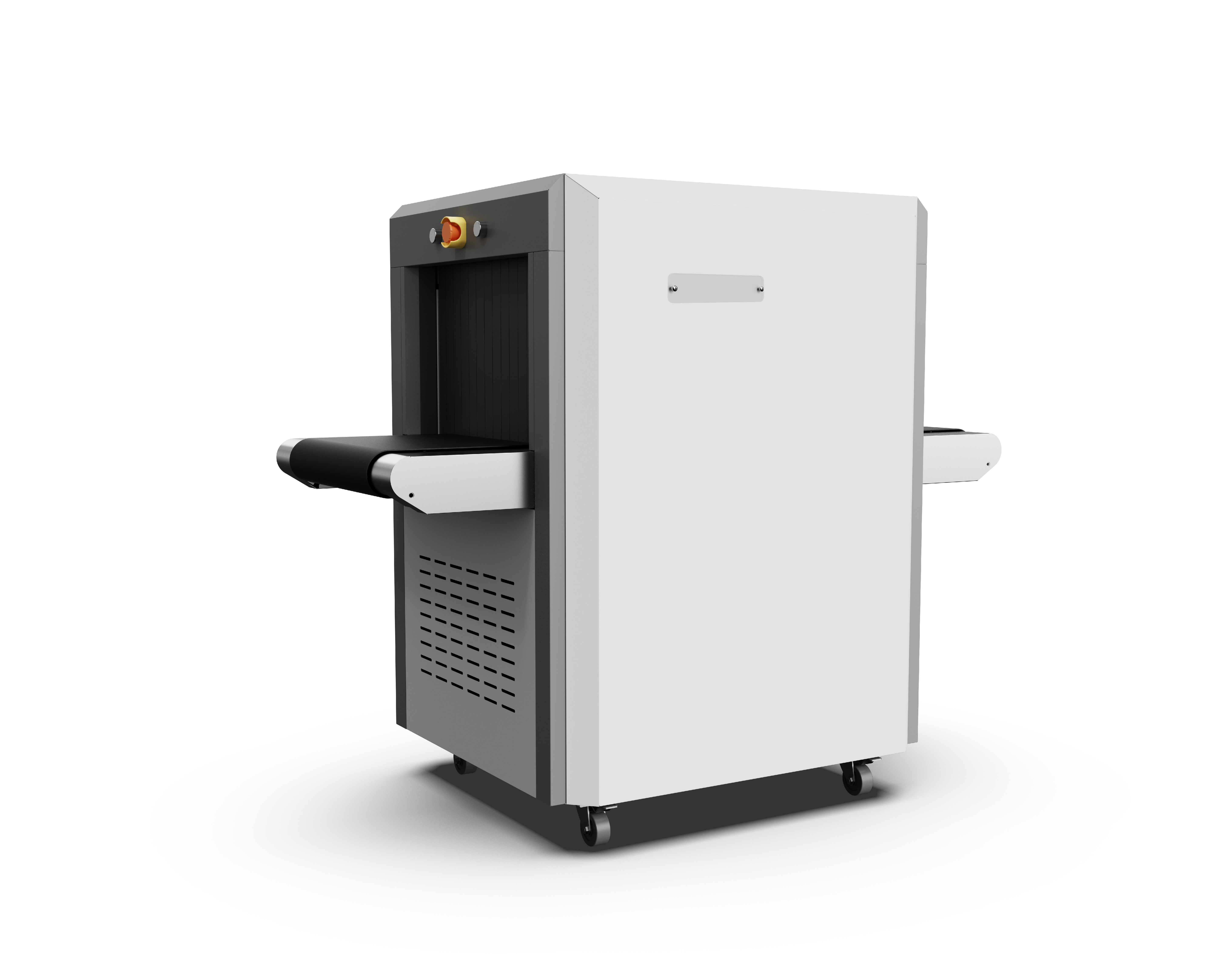
Procuring the right Mailroom Parcel X-Ray Scanner requires moving beyond anecdotal estimates. Facility managers must conduct rigorous audits of their incoming mail traffic to justify equipment specifications.
Sizing equipment based on average daily volume is a common failure point. A mailroom might average 200 packages a day. If 150 of those packages arrive during a single 45-minute window from a major courier drop-off, the machine must be sized to handle that specific surge.
Auditing methodology requires tracking incoming deliveries in 15-minute increments over a two-week period. This data reveals the true peak-hour bottlenecks. Failing to account for morning drop-off surges or seasonal holiday volume spikes guarantees severe operational backlogs.
Time Window | Package Count | Average Size | Required Action |
|---|---|---|---|
08:00 - 08:15 | 12 | Small (Letters) | Standard processing |
09:30 - 09:45 | 85 | Medium (Boxes) | High-throughput continuous scanning |
11:00 - 11:15 | 5 | Large (Freight) | Secondary manual inspection or large tunnel routing |
Most packages in typical facilities fit within standard tunnel sizes, while only a smaller portion requires oversized capacity. Facilities should evaluate whether occasional large items justify investing in a larger scanner or whether they can be handled through separate manual inspection procedures.
Larger tunnels require greater distance between the X-ray source and detectors, which can slightly affect image detail for small objects. High-power systems can compensate for this, but smaller scanners may provide better resolution for lightweight and compact items.
Larger tunnels can increase processing capacity but also increase the amount of information operators must analyze. Maintaining suitable belt speeds and manageable image complexity is essential to prevent operator fatigue and maintain screening accuracy.
Selecting the correct tunnel dimensions requires a comprehensive understanding of the physical environment where the machine will operate. Ignoring facility constraints during the procurement phase leads to disastrous installation failures.
The actual installation footprint includes more than the scanner body. Facilities must allow space for roller tables, operator stations, maintenance access, and service clearance to ensure safe operation and easy equipment maintenance.

Large scanners create high floor loads and require careful structural evaluation, especially on elevated floors. Their higher-power X-ray generators may also require dedicated electrical circuits to maintain stable imaging performance.
Proper installation space is essential for maintaining radiation safety. Adequate infeed and outfeed clearance allows lead curtains to close correctly and ensures compliance with X-ray protection requirements.
Scanner placement should support smooth material flow and reduce operator strain. Matching conveyor height with existing work areas, using roller systems, and minimizing manual lifting improve safety and operational efficiency.
Procuring screening equipment involves evaluating long-term resource commitments, infrastructure demands, and vendor support capabilities. This ensures the system remains operational over its intended lifespan.
Scanner size directly affects installation costs. Small models require minimal space and standard power, while large units need reinforced floors, more space, and possible electrical upgrades. The required scanning capacity must be balanced against these infrastructure investments.
Larger scanners require more complex maintenance due to wider belts, heavier components, and higher-power generators. Regular servicing of conveyors, cooling systems, and radiation protection components increases long-term operating costs.
Reliable uptime is essential for security operations. Strong vendor support, fast response times, available spare parts, and scheduled preventive maintenance help reduce downtime and maintain continuous screening capability.
Modern scanners increasingly use AI-assisted detection and advanced software tools to improve operator efficiency. Vendor software capabilities, update support, and future algorithm development are important factors when selecting equipment.
Scanner size and application determine staffing needs. Small systems may require one operator, while large freight systems often need multiple personnel for loading, image analysis, and material handling. Continuous operator training ensures accurate threat identification as screening requirements change.
The optimal screening deployment requires a precise balance between peak-hour dimensional requirements, available facility space, specific threat profiles, and available infrastructure resources. Misjudging the required tunnel size creates cascading failures throughout the internal logistics chain. This leads to either dangerous package backlogs or wasted operational footprint.
For the vast majority of standard corporate and commercial operations, defaulting to a 60x40 cm tunnel provides the most effective balance. This industry-standard size processes the bulk of daily courier deliveries while maintaining the high image resolution necessary for scrutinizing smaller letters and satchels. Larger machines should only be shortlisted if a rigorous dimensional audit proves a strict, daily requirement for scanning oversized freight.
To ensure a successful deployment, execute the following steps:
Initiate a two-week package dimensional audit to capture accurate data on peak-hour volumes and average parcel sizes.
Consult with facility engineers to verify floor loading capacities and electrical availability in the designated screening area.
Map the physical path of travel from the loading dock to the final installation site, measuring all doors and elevators.
Request a comprehensive site survey from a certified security vendor to identify potential workflow bottlenecks.
A: The industry standard is typically 60x40 cm. This dimension accommodates approximately 80% to 90% of standard courier boxes, backpacks, and daily parcel deliveries. It provides an optimal balance, offering enough physical capacity for standard shipping boxes while keeping the X-ray generator close enough to the detector arrays to maintain high image resolution for thin letters and envelopes.
A: A standard machine can physically process between 300 and 500 items per hour. Actual throughput is dictated by the operator's ability to analyze complex images. While the conveyor belt moves at roughly 0.20 meters per second, cluttered or dense packages require the operator to stop the belt, use image enhancement tools, and evaluate anomalies, reducing the overall hourly processing rate.
A: Yes. Modern systems utilize dual-energy imaging technology. This process uses two distinct X-ray energy levels to determine the atomic number of scanned materials. The software color-codes the image, displaying organic materials like powders, plastics, and narcotics in orange, inorganic materials like metals in blue, and mixed materials in green. This allows operators to identify potential threats quickly.
A: Yes, they are exceptionally safe. These machines are classified as cabinet X-ray systems. They feature thick lead curtains at the entry and exit points, and the internal scanning chamber is heavily shielded. Radiation emissions are strictly regulated by health agencies to ensure scatter radiation is negligible. Operators working directly next to the machine are not exposed to harmful levels.
A: It depends on the generator size. Small to medium units typically operate on standard 110V or 220V wall outlets. Large freight scanners equipped with high-penetration generators often require dedicated electrical circuits. This handles the increased power draw and prevents voltage drops that could disrupt the imaging software during heavy scanning operations.
A: Oversized packages must bypass the X-ray system and undergo secondary screening protocols. This typically involves a physical manual search by trained security personnel. Operators may also use Explosive Trace Detection (ETD) wands to swab the exterior and seams of the oversized box to check for microscopic explosive particulates before allowing it into the facility.
A: While the machine itself measures roughly 1.5 meters in length, the total operational footprint is much larger. Facilities must allocate space for 0.5-meter infeed and outfeed roller tables, an operator desk, and at least 0.5 meters of clearance on all sides for maintenance access. A minimum dedicated area of 3 by 2 meters is generally recommended.