
- All
- Product Name
- Product Keyword
- Product Model
- Product Summary
- Product Description
- Multi Field Search
Views: 14 Author: Site Editor Publish Time: 2026-04-09 Origin: Site


Choosing the right x-ray scanner machine is not always simple. One wrong choice may slow operations or reduce detection accuracy.This article explains the difference between single view and dual view systems.You will learn how to choose the best option based on your needs.
A single view x-ray scanner machine refers to a system that generates one image of an object from a single angle. The scanning process relies on one X-ray source, so the operator receives only one perspective when analyzing the contents of baggage or parcels.
In many everyday environments, this approach works well. Locations such as office buildings, hotels, and factories usually handle items that are not densely packed or highly complex. A single image provides enough information for trained operators to make quick and reliable decisions without slowing down the workflow.
A dual view x-ray scanner machine is designed to provide two images of the same object from different angles. These angles are usually vertical and horizontal, allowing operators to see both the structure and internal arrangement of items more clearly.
This additional perspective becomes critical when inspecting dense or overlapping contents. For example, bags with electronics, cables, or mixed materials often appear unclear in a single image. Two views help reveal hidden shapes and reduce uncertainty during inspection.
In real screening situations, dual view systems help reduce the need for manual bag checks. Operators can rely more on image analysis, which improves both speed and decision confidence.
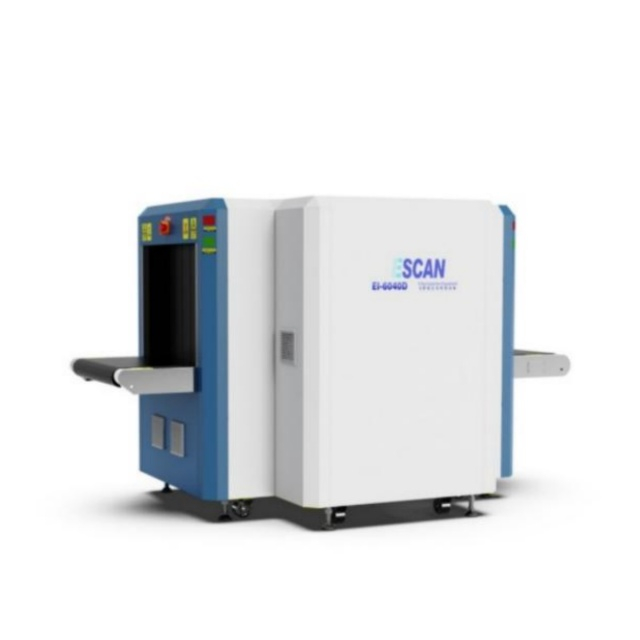
The difference between these two types of x-ray scanner machine systems lies in how images are generated and interpreted. A single view system captures one projection of the object. A dual view system captures two projections simultaneously using separate generators.
This change in imaging structure directly affects how operators analyze objects during screening.
| Aspect | Single View X-Ray Scanner Machine | Dual View X-Ray Scanner Machine |
|---|---|---|
| Image output | One perspective | Two perspectives |
| Generator setup | Single generator | Dual generators |
| Visibility of overlapping items | Limited clarity | Significantly improved clarity |
| Operator workload | Higher in complex cases | Lower due to clearer images |
The operational impact becomes more noticeable when dealing with complicated items. Overlapping objects may hide important details in a single image. Dual perspectives allow operators to compare shapes and densities without guessing.
Why multiple views improve screening performance:
Different angles expose hidden or partially blocked objects
Image comparison reduces interpretation errors
Decision-making becomes faster in high-traffic checkpoints
In environments where accuracy and efficiency are both critical, this difference plays a major role in selecting the right x-ray scanner machine.
When comparing a single view x-ray scanner machine and a dual view system, the first difference buyers notice is image coverage. A single-angle image shows only one side of the object. This works fine for simple items, but visibility becomes limited when objects overlap or stack together.
A dual view system adds a second perspective. Operators can check both vertical and horizontal images at the same time. This makes shapes easier to recognize, especially when contents are dense or irregular. In busy checkpoints, clearer images reduce hesitation and speed up decisions.
How image coverage affects daily operation:
One-angle imaging may hide parts of an object behind others, which increases uncertainty during inspection and may require additional checks
Two-angle imaging reveals hidden layers, helping operators understand object structure without guessing or rotating images mentally
Better visibility leads to faster image interpretation, especially under time pressure in high-traffic environments
Screening accuracy depends heavily on how clearly items appear on the screen. In real situations, bags often contain electronics, cables, liquids, and layered materials. These elements overlap and create confusing shapes in a single image.
A dual view x-ray scanner machine improves accuracy because operators can compare two perspectives. This helps identify suspicious objects more reliably, especially when items are partially hidden. In high-security environments such as airports or customs, this added clarity becomes essential.
A single view system still has value. It performs well when items are simple and easy to separate visually. For example, standard parcels or personal belongings in controlled environments rarely require multi-angle analysis.
Key factors affecting screening accuracy:
Dense packing increases image complexity, making single-angle interpretation more difficult
Overlapping items create visual confusion, especially when shapes blend together
Dual perspectives allow cross-checking, reducing false alarms and missed detections
Checkpoint efficiency depends on how quickly operators can read images and make decisions. A x-ray scanner machine is not only about detection capability. It also affects workflow, staffing, and overall screening speed.
Single view systems support fast operation when items are straightforward. Operators can quickly scan and move to the next bag. However, when images become unclear, they may need to pause, zoom, or recheck. This slows down throughput and creates bottlenecks.
Dual view systems improve workflow by reducing uncertainty. Operators can rely on clearer images, which reduces the need for repeated checks or manual bag inspections. This keeps lines moving and improves overall efficiency.
How machine type impacts workflow:
Faster decisions occur when images are clear and easy to interpret
Fewer manual inspections reduce delays and labor requirements
Higher traffic environments benefit more from improved image support
Operational comparison:
Single view systems suit moderate traffic and predictable screening conditions
Dual view systems perform better under high traffic and complex inspection demands
Matching machine capability to workload helps avoid overloading operators
Cost plays a major role in choosing the right x-ray scanner machine, but focusing only on purchase price can lead to poor decisions. Buyers need to consider total value, including performance, efficiency, and long-term usability.
A single view system usually requires lower upfront investment. Installation is simpler, training is faster, and maintenance is less demanding. This makes it a practical option for facilities where advanced imaging is not critical.
A dual view system involves higher cost, but it delivers stronger performance in complex environments. Improved accuracy reduces operational risks, and better efficiency can lower long-term labor costs. In high-security or high-traffic locations, this often justifies the investment.
| Cost Factor | Single View X-Ray Scanner Machine | Dual View X-Ray Scanner Machine |
|---|---|---|
| Initial investment | Lower | Higher |
| Installation complexity | Simple | More complex |
| Training requirement | Basic | Moderate |
| Long-term value | Suitable for routine use | Higher value in demanding environments |
A single view x-ray scanner machine fits environments where screening tasks stay predictable and consistent. Many facilities do not face highly complex threats every day. In these cases, a simple and reliable system keeps operations smooth without adding unnecessary cost or complexity.
In locations such as government offices, hotels, and shopping malls, most bags contain everyday items. Operators can quickly recognize shapes and materials from a single image. This allows faster processing and reduces training pressure on staff.
Typical environments where single view systems perform well:
Government buildings often screen visitors and personal belongings, which usually remain simple and easy to interpret over time
Hotels and commercial spaces focus on basic safety checks, where speed and convenience matter more than advanced imaging detail
Factories and logistics entry points handle controlled items, so one-angle inspection supports daily operations without slowing production
Operational advantages in these scenarios:
Lower system complexity makes installation easier and faster
Operators can learn quickly, reducing training time and cost
Budget control becomes easier while maintaining reliable screening performance
| Facility Type | Screening Complexity | Recommended X-Ray Scanner Machine | Reason |
|---|---|---|---|
| Government buildings | Low to moderate | Single view | Routine visitor screening |
| Hotels and malls | Low | Single view | Fast processing needed |
| Factories | Low to moderate | Single view | Predictable item types |
| Land checkpoints | Moderate | Single view | Balanced cost and efficiency |
A dual view x-ray scanner machine becomes necessary when screening conditions are more demanding. In high-security environments, operators face dense, layered, or unfamiliar items. A single image often cannot provide enough clarity for confident decisions.
Airports, customs, and seaports represent typical high-risk scenarios. Bags often contain electronics, liquids, and mixed materials. These items overlap and create complex images. Dual-angle imaging helps reveal hidden structures and reduces the chance of missing important details.
Common applications for dual view systems:
Airports require high accuracy due to strict security regulations and large passenger volumes
Customs and border checkpoints inspect diverse cargo types, often packed tightly or irregularly
Seaports and transport hubs handle bulk goods, where layered contents increase inspection difficulty
Why dual view systems are preferred in these environments:
Two perspectives improve visibility of concealed or overlapping objects
Operators can make faster decisions under heavy traffic conditions
Higher accuracy reduces operational risk and improves compliance with strict standards
| Application Scenario | Inspection Challenge | Recommended Machine | Benefit |
|---|---|---|---|
| Airports | Dense baggage, high volume | Dual view | Faster and more accurate decisions |
| Customs | Mixed cargo types | Dual view | Better identification of hidden items |
| Seaports | Bulk and layered goods | Dual view | Improved visibility in complex loads |
| High-security hubs | Strict inspection requirements | Dual view | Higher detection confidence |
Choosing the right x-ray scanner machine depends on understanding the real conditions at the site. Many buyers focus only on specifications, but the actual decision should reflect daily operations, not just technical features.
Start by looking at what gets screened every day. Some facilities handle simple bags, while others deal with mixed or unpredictable items. The level of risk also matters. A low-risk environment does not need the same level of imaging capability as a high-security checkpoint.
Key questions to guide selection:
What types of items pass through the checkpoint each day, and how complex are they in structure and composition
How important is quick and accurate operator judgment during peak hours or high traffic periods
Does the facility face routine screening tasks or higher-risk inspection scenarios requiring stronger detection capability
A practical approach is to match machine capability to real needs. Over-investing in advanced systems may increase cost without adding value. Under-investing may lead to slower operations or missed detections.
Choosing the right x-ray scanner machine starts from understanding real operational needs, not just comparing specifications. Many buyers focus on machine type too early, but the better approach begins from daily usage scenarios and risk level. A clear picture of workflow helps avoid overbuying or underestimating requirements.
Before making a decision, take time to evaluate how the system will actually be used. Think about traffic flow, item types, and how quickly operators must make decisions. These factors shape the type of machine that will perform reliably over time.
Key questions to guide your decision:
What type of baggage, parcels, or cargo will be screened, and how often do item types vary during daily operation
How many items need to be inspected per hour, especially during peak periods, and whether the system can handle that load smoothly
How complex the contents are, including overlapping materials, electronics, or dense packing that may affect image clarity
What level of security the site must meet, such as routine access control or stricter inspection standards in sensitive locations
What budget range is realistic, including not only purchase cost but also training, installation, and long-term operation
These questions help define the balance between performance and cost. Some facilities benefit from advanced imaging, while others need simple and stable operation.
Once the basic machine type is decided, comparing technical features becomes the next step. Many buyers stop at “single view vs dual view,” but real performance depends on a combination of system capabilities.
Different features directly affect how the machine performs in daily use. Some improve image clarity, while others enhance workflow efficiency or operator control. Understanding these features helps avoid surprises after installation.
Important features to evaluate:
Tunnel size determines the maximum dimensions of items that can pass through the machine, which affects flexibility in different applications
Conveyor load capacity defines how much weight the system can handle, especially important in logistics or cargo environments
Image processing functions improve visibility through zoom, enhancement, and material distinction tools
Multi-energy imaging helps differentiate materials more clearly, especially in complex or mixed-content inspection scenarios
Alarm functions support operators by highlighting suspicious areas, reducing reliance on manual judgment alone
Image storage and review tools allow operators to revisit past scans, which is useful for training and quality control
User management and training support help control access levels and improve operator performance over time
Choosing based on features alone is not enough. The system should match the facility’s workflow, operator capability, and long-term operational needs.
Choosing the right x-ray scanner machine depends on security level, item complexity, and workflow needs. Single view systems suit routine screening, while dual view improves accuracy in complex environments. Eastimage offers reliable machines, advanced imaging, and strong service support, helping facilities improve efficiency and long-term performance.
A: A x-ray scanner machine inspects baggage or cargo to detect hidden items quickly and safely.
A: Choose a x-ray scanner machine based on item complexity, traffic volume, and security level.
A: A dual view x-ray scanner machine improves visibility and helps detect overlapping or hidden objects.
A: A single view x-ray scanner machine works well for routine screening and simple inspection tasks.
A: X-ray scanner machine cost depends on features, size, imaging capability, and system complexity.